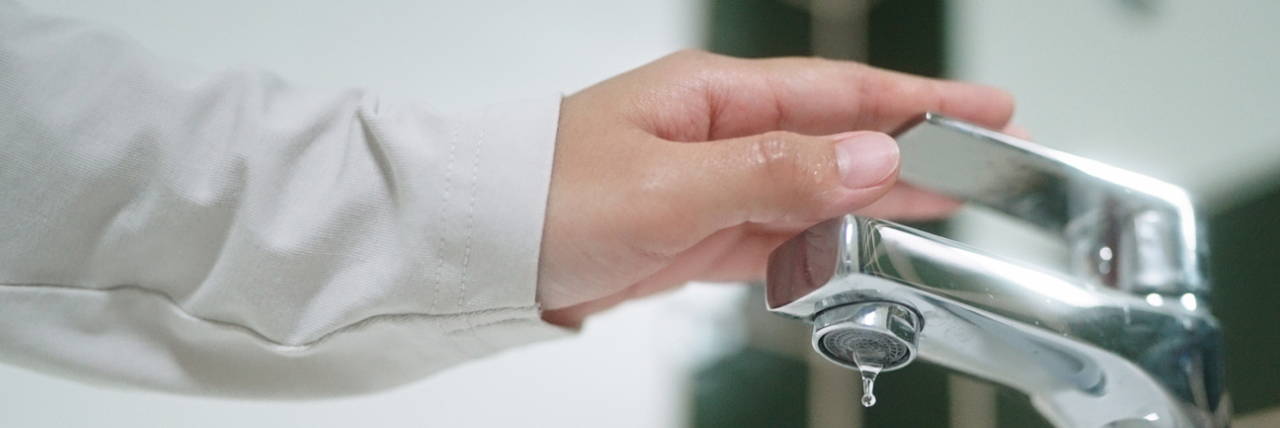
Who is responsible for making repairs?
Washington Water is responsible for repairs within the distribution system. Property owners are responsible for repairs to plumbing on their side of the water meter.
What is the recommended run time for irrigation?
 Unless local ordinances specify time limits, we recommend watering 5-7 minutes, 2-3 times per assigned day, to maximize the benefit of irrigation.
How do I program my smart irrigation controller?
Washington Water recommends consulting the user guide provided by the manufacturer to learn how to adjust the programming of your specific controller.
How do I apply for a conservation rebate?
To apply for a conservation rebate on a residential property, visit the Residential Rebates page, complete the Residential Rebate Application and return it by mail.
To apply for a conservation rebate on a commercial property, visit the Commercial Rebates page, complete the Commercial Indoor/Outdoor Rebate Application and return it by mail.
How can I save water in my pool?
- Use a pool cover to reduce water loss from evaporation

- Repair pool leaks. A one-inch-per-day leak in a 15 foot by 30 foot pool can waste about 102,000 gallons per year.
- Manually clean your filter.
- Maintain proper chemical levels and adequate circulation time to avoid needing to either drain your pool or use excess water to correct issues.
- Consider turning off the tile-spray device on an automatic pool cleaner. This device can create splashing and overspray the ends up out of the pool or evaporates before it even hits the tile.
- Reevaluate the frequency of backwashing.
How can I save water in my yard and garden?
It’s always been wise to conserve water in your home and garden, but conservation is more 
than just a good idea—it’s essential. We need to stretch our water supplies to ensure that there is enough water to serve everyone who needs it.
One of the best places to make significant reductions in water us is in your garden. People who live in urban areas use about half their water outdoors. In the summer, garden water use climbs even higher as the weather gets hotter and drier.
Fortunately, you can save water in your garden without sacrificing the quality of your landscaping. By taking advantage of efficient irrigation techniques and using ornamental plants and ground covers that are suitable to long, dry summers, you can enjoy a beautiful landscape that requires significantly less water and maintenance than a less carefully designed one.
Planting Hints
- Whenever possible, plant only low-water and drought-resistant plants. By using native plants—plants that are used to our climate—you may be able to reduce your outdoor water use significantly.
- Limit the amount of area devoted to your lawn. Lawns need great quantities of water, particularly in the summer.
- Wait until fall or winter to install a new garden. New plantings require more water than established growth
- Keep low-water plants away from “thirsty” plants. Mediterranean-zone plants can suffer if they are over watered as you care for their neighbors.
- Keep shade plants in the shade. This will help prevent them from drying out.
- Place water-loving plants at the bottom of slopes, where they will benefit from water runoff.
- Include mulch around shrubs and plants to help reduce evaporation, limit weed growth, moderate soil temperature, and prevent erosion.
- Replace mulch around shrubs and plants at least once per year and remove weeds as needed.
- To understand what kind of soil you have, pick up a handful of moist soil and squeeze it tightly in your hand. Next, try to pinch the soil into a ribbon. If the soil forms a ribbon up to 2″ long, you have clay soil. If the soil forms a ribbon only 1″ long, you have loam soil. Finally, if the soil falls apart easily and won’t make a ribbon, you have sandy soil. Use this information to inform your planting decisions.
- Aerate to reduce thatch (dead grass) buildup in turf areas in spring or fall. Thatch restricts penetration of water, air, and nutrients. Aeration will also increase water penetration in compacted soils.
- Consider using organic fertilizer. Consult a nursery or landscape professional for a well-balance fertilizer program.
Watering Tips
- A good way to check if your lawn needs watering is to just step on the grass. If it springs right back up, you don’t need to turn on the sprinklers. When it’s time to water, do it at dawn or dusk to reduce evaporation
- Mature trees require less water than newly planted ones.
- Check your sprinkler system regularly. A sprinkler system can waste water if sprinkler heads are broken, automatic timers are not adjusted for rain, or hidden leaks are not detected.
- Switch to a drip irrigation system for your yard.
More Outdoor Savings
- A garden hose can use 10 gallons of water per minute. Use a broom instead of a hose to clean patios, walkways, and driveways. When you do need the hose, use a nozzle to increase pressure and decrease water usage.
- Have a dirty car? Use a bucket of water instead of a hose to wash your car. Even better, take your car to a car wash that recycles its water.
- Check the Residential Rebates page for conservation rebates and programs that can help you maximize your outdoor water savings.
Have a suggestion for avoiding water waste? Send it to us!
How do I prepare for a planned water outage?
In advance of the work being done, you may wish to fill a few sanitary containers and pitchers with water for drinking purposes. Filling a bucket or your bathtub with water can be useful for household purposes such as toilet flushing. After this work has been completed and water service has been restored to your home, as a precaution we advise before using water inside, please run your outside hose bib until the water is clear. This is to prevent any discolored water from entering your faucets and fixtures and to evacuate air from your service line.
How do I read my water bill?
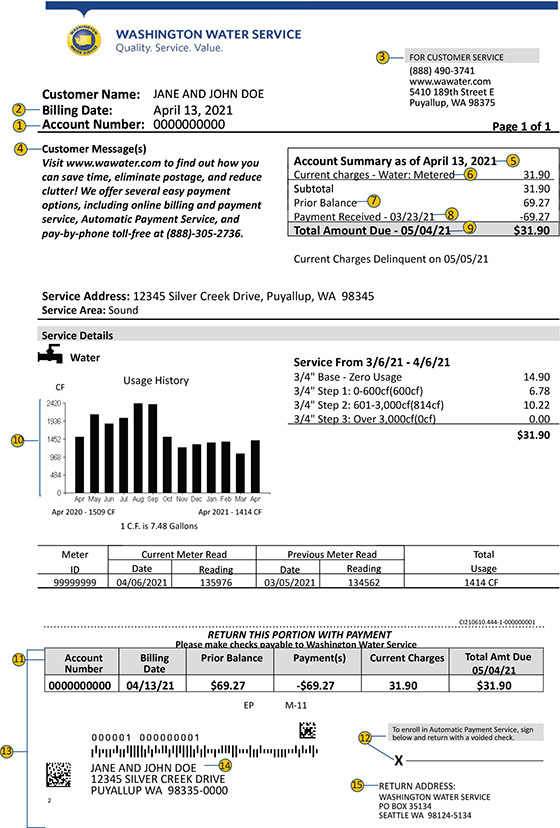
Here are detailed instructions on how to understand your new bill, as well as some key features:
- Easy-to-read account summary
- Usage history graph to help you keep track of your consumption
- Detailed description of your charges
- A place for us to include important messages about your water service
- Meter information, including the dates your meter is read
A sample bill is below
 |
Account number: You will be assigned a 10-digit account number |
 |
Billing date: Date your bill was printed |
 |
Contact information: Your local Washington Water Customer Center |
 |
Customer messages: Where important messages will appear |
 |
Summary: Your account billing and payment information |
 |
Current charges: Amount due from current billing period |
 |
Prior balance: Previous balance; includes any unpaid balance; due upon receipt |
 |
Payment received: Payments applied to your account since your last bill |
 |
Total amount due: Amount that you owe, including any unpaid previous balance (all bills due upon receipt and past due after 21 days) |
 |
Water services detail: Graph of your consumption history for the past 13 months |
 |
Summary: Overview of your current bill, including the amount due |
 |
Automatic Payment Service: Instructions for signing up to have your bill automatically paid each month from your checking account |
 |
Portion of bill to return with your payment: Unless enrolled in automatic or online payments |
 |
Billing address: Address to which your bill is sent (this may be different than the service address) |
 |
Payment mailing address: Mailing address for your payment and remit slip |
Is there fluoride in my water?
Washington Water does not add fluoride to the water in any of our systems.
For more general information, see How Does Fluoride Get Into Tap Water?
Is my information secure if I have a cell meter?
Cell meters do not transmit or store personal information. The read and usage data that is transmitted is encrypted.